
Understanding Colectomy and Colorectal Surgery
Colectomy, also known as colon resection surgery, involves the surgical removal of a part or the entire colon (large intestine). Colorectal surgery broadly addresses conditions affecting the colon, rectum, and anus. These procedures treat various diseases, including colorectal cancer, diverticulitis, inflammatory bowel diseases like ulcerative colitis or Crohn’s disease, large polyps, and severe bleeding or obstruction that do not respond to other treatments.
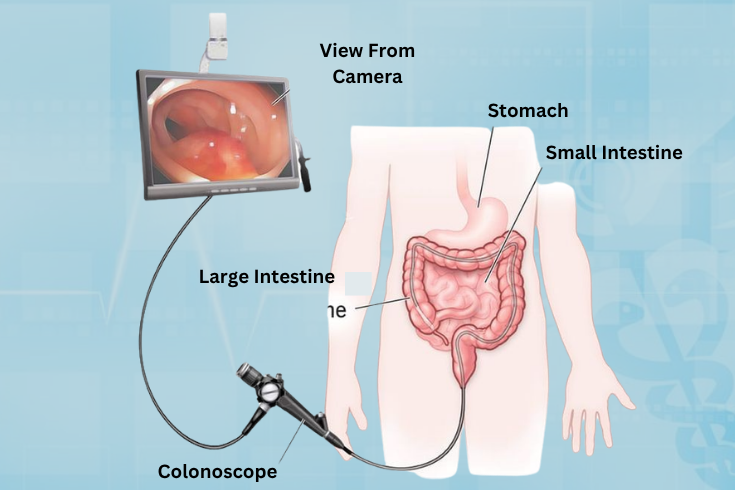
Types of Colectomy
Several types of colectomy exist, depending on the extent and location of the diseased segment:
Partial or segmental colectomy
Removal of only the affected portion of the colon.
Hemicolectomy
Removal of the right or left side of the colon.
Sigmoid colectomy
Removal of the sigmoid (lower) part of the colon.
Total colectomy
Removal of the entire colon.
Proctocolectomy
Removal of both the colon and rectum.
The choice of procedure depends on the underlying condition, its location, and the patient’s overall health.
Laparoscopic vs Open Colorectal Surgery
Modern colorectal surgery often uses advanced laparoscopic (minimally invasive) techniques. In laparoscopic colectomy, the surgeon makes several small incisions and uses a camera and specialized instruments to perform the procedure. This approach contrasts with traditional open surgery, which requires a larger abdominal incision.
Laparoscopic methods generally offer benefits such as reduced blood loss, less postoperative pain, smaller scars, faster return of bowel function, and shorter hospital stays compared to open surgery. Recovery is often quicker, allowing patients to resume normal activities sooner while maintaining comparable long-term outcomes for cancer treatment and other conditions.
Risks and Considerations
Like any major surgery, colectomy carries potential risks, including infection, bleeding, blood clots, anastomotic leak, or changes in bowel habits. However, with experienced surgical teams and modern techniques, these risks are minimized. Laparoscopic approaches have shown lower overall complication rates in many studies.
Conclusion
Colectomy and colorectal surgery play a vital role in managing complex gastrointestinal conditions, offering effective treatment and improved long-term health outcomes. With advancements in minimally invasive techniques, patients can benefit from reduced discomfort and faster recovery. Consulting a qualified surgical gastroenterologist ensures personalized care tailored to individual needs, helping restore digestive function and overall well-being.