

Dr. Nikhil Tayal

What is Cholecystectomy?

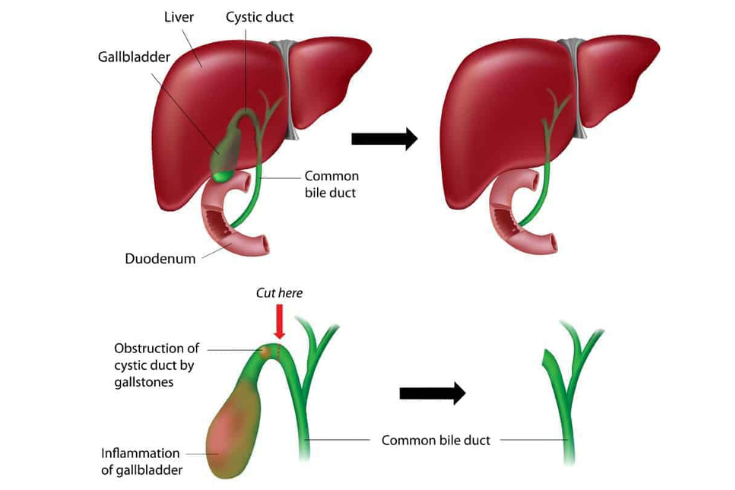
Cholecystectomy is a surgical procedure to remove the gallbladder, a small pear-shaped organ located beneath the liver in the upper right abdomen. The gallbladder stores bile, a digestive fluid produced by the liver that helps break down fats in the small intestine. When the gallbladder develops problems, such as gallstones or inflammation, it can cause significant pain and complications, making removal necessary.

This surgery is one of the most common abdominal operations performed worldwide. It effectively resolves issues related to gallstones (cholelithiasis), which are hardened deposits that can block bile flow, leading to severe pain, infection, or other digestive problems. Without a gallbladder, the liver continues to produce bile, which flows directly into the intestine, allowing most people to maintain normal digestion after recovery.

Why is Cholecystectomy Performed?

Cholecystectomy is typically recommended when gallstones cause symptoms or complications. Common reasons include:

Symptomatic gallstones

Repeated episodes of biliary colic, characterized by intense pain in the upper right abdomen, often radiating to the shoulder or back, especially after fatty meals.
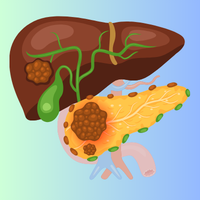
Acute or chronic cholecystitis

Inflammation of the gallbladder due to blocked bile ducts.
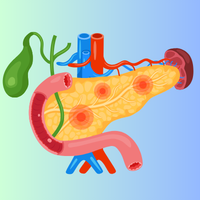
Other complications

Such as gallstone pancreatitis, choledocholithiasis (stones in the common bile duct), or gallbladder polyps that raise concern for malignancy.

In many cases, asymptomatic gallstones do not require surgery. However, once symptoms appear, removal prevents future issues like infection, jaundice, or pancreatitis. Advanced laparoscopic techniques have made this procedure safer and more patient-friendly.

Types of Cholecystectomy

There are two main approaches to gallbladder removal:

Laparoscopic Cholecystectomy

This is the preferred and most common method, often called “keyhole” surgery. The surgeon makes 3-4 small incisions (each less than 1 cm) in the abdomen. A laparoscope (a thin tube with a camera) is inserted to provide a magnified view on a monitor. Specialized instruments remove the gallbladder through these tiny cuts.

Advantages:

  • Minimal scarring
  • Less postoperative pain
  • Shorter hospital stay (often same-day discharge or one night)
  • Faster recovery (most patients resume normal activities within 1-2 weeks)

The procedure usually takes 60-90 minutes under general anesthesia.

Open Cholecystectomy

This traditional method involves a single larger incision (about 10-15 cm) in the upper right abdomen. It is reserved for complex cases, such as severe inflammation, scarring from previous surgeries, or when laparoscopic approach is not feasible.

Drawbacks compared to laparoscopic:

  • Larger scar
  • More pain and blood loss
  • Longer hospital stay (2-5 days)
  • Extended recovery time (4-8 weeks)

In skilled hands, conversion from laparoscopic to open is rare but may occur if unexpected difficulties arise during surgery.

Risks and Benefits

Benefits:

  • Permanent relief from gallbladder-related pain and complications.
  • Prevention of recurrent attacks.
  • Improved quality of life with minimal long-term impact on digestion for most people.


Risks (generally low, especially with laparoscopic approach):

  • Bleeding, infection, or bile leak.
  • Injury to bile ducts or nearby organs (rare with experienced surgeons).
  • Anesthesia-related complications.
  • In a small percentage of cases, conversion to open surgery.


Overall, cholecystectomy is considered a safe procedure with high success rates when performed by qualified surgical gastroenterologists specializing in advanced laparoscopic techniques.

The Procedure and Recovery

Before surgery, patients undergo evaluation including blood tests, ultrasound, and sometimes other imaging to assess the gallbladder and bile ducts. The operation is performed under general anesthesia.

Post-surgery:

  • Most laparoscopic patients go home the same day or next morning once they can eat, drink, and walk comfortably.
  • Mild shoulder pain from residual gas used during laparoscopy is common but resolves quickly.
  • A low-fat diet is advised initially, gradually returning to normal eating habits.
  • Full recovery from laparoscopic cholecystectomy typically occurs within 1-2 weeks, with minimal restrictions after the first few days.

Patients can usually return to work within a week for desk jobs, though heavy lifting should be avoided for a short period.

Recovery and Life After Surgery

Cholecystectomy offers an effective and reliable solution for gallbladder diseases, particularly symptomatic gallstones. The laparoscopic approach has revolutionized the procedure by minimizing discomfort, reducing recovery time, and allowing patients to return to their daily routines quickly. Living without a gallbladder is entirely possible, with most individuals experiencing no significant digestive changes after adapting to a balanced diet.

If you are experiencing persistent upper abdominal pain, nausea, or digestive issues after meals, timely consultation with a specialist in advanced laparoscopic and gastrointestinal surgery can help determine if cholecystectomy is the right option for you. Early intervention often leads to better outcomes and smoother recovery.