
What is ERCP?
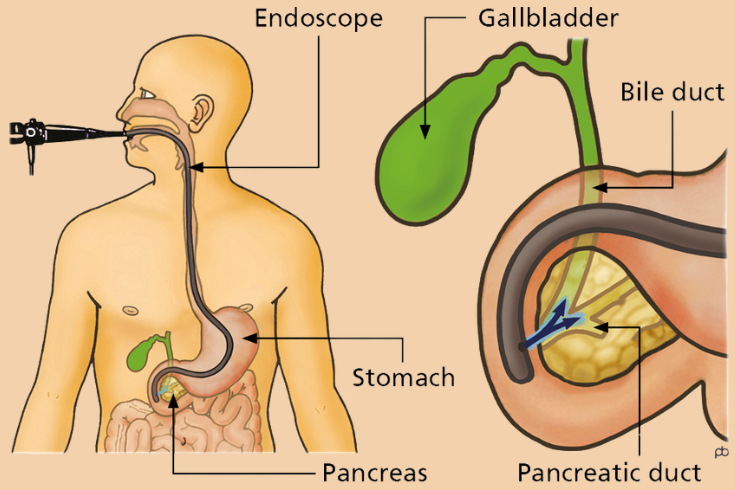
ERCP stands for Endoscopic Retrograde Cholangiopancreatography. It is a specialized, minimally invasive procedure that combines upper gastrointestinal endoscopy with X-ray imaging to diagnose and treat problems in the bile ducts, pancreatic ducts, liver, and gallbladder.
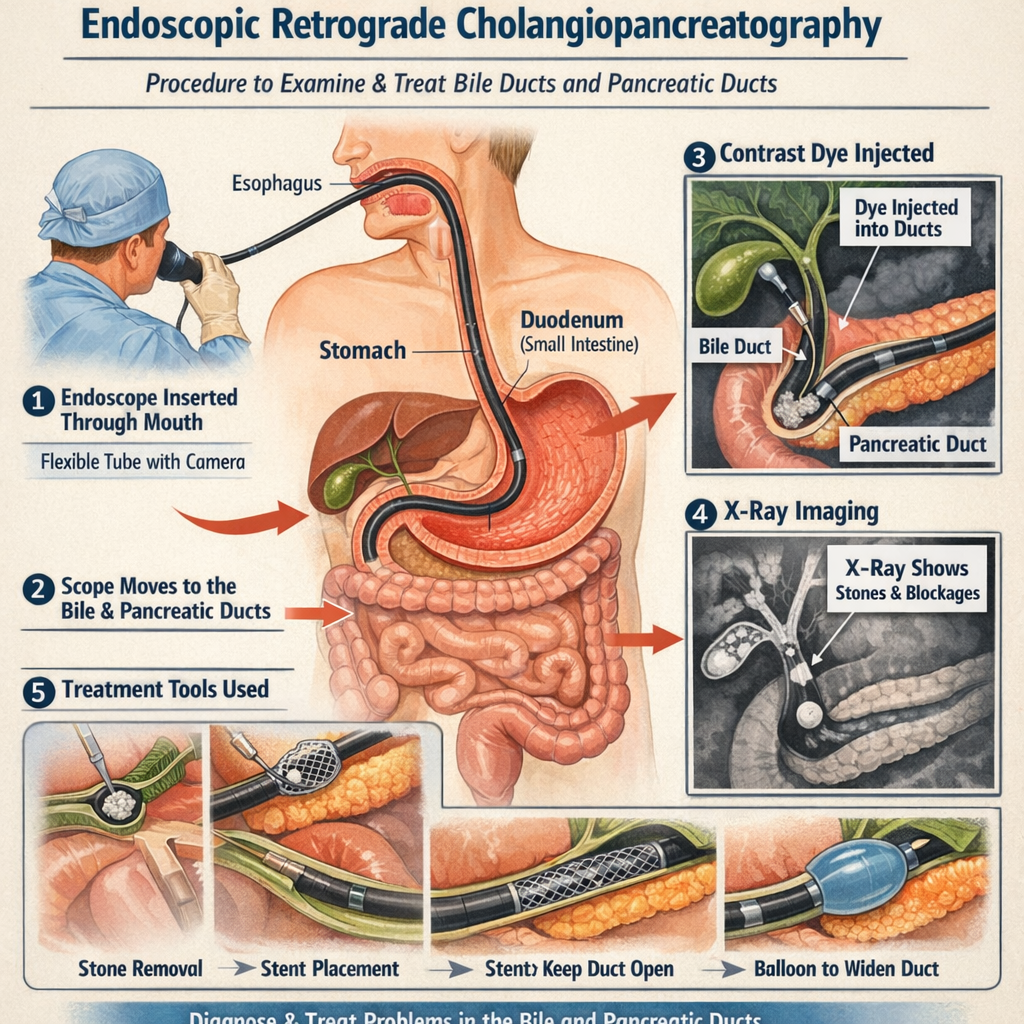
During the procedure, a thin, flexible tube called an endoscope is gently passed through the mouth, esophagus, stomach, and into the duodenum (the first part of the small intestine). A small catheter is then used to inject a contrast dye into the bile and pancreatic ducts. Real-time X-ray images help visualize any abnormalities such as stones, blockages, strictures, or leaks.
This technique allows doctors not only to identify issues but also to perform therapeutic interventions in the same session, making ERCP both diagnostic and therapeutic.
Why is ERCP Performed?
ERCP is recommended when patients experience symptoms or test results suggesting disorders of the biliary or pancreatic system. Common indications include:
- Bile duct stones (choledocholithiasis) causing pain, jaundice, or infection
- Blockages or strictures in the bile or pancreatic ducts due to tumors, scarring, or inflammation
- Pancreatitis (inflammation of the pancreas) related to duct problems
- Leaks in the bile ducts following surgery or injury
- Unexplained jaundice, abdominal pain, or abnormal liver/pancreatic enzyme levels
- Suspected cancers or growths in the bile ducts or pancreas
It is particularly valuable when non-invasive imaging like ultrasound, CT, or MRI suggests a problem that requires direct intervention.
How ERCP Helps in Treatment
Beyond diagnosis, ERCP offers several therapeutic options:
- Stone removal: Gallstones or bile duct stones can be extracted using baskets or balloons.
- Stent placement: Tiny tubes (stents) are inserted to keep narrowed ducts open and restore proper bile or pancreatic fluid flow.
- Sphincterotomy: A small cut is made in the sphincter muscle to facilitate stone passage or drainage.
- Tissue sampling: Biopsies can be taken for laboratory analysis to detect infections or malignancies.
- Duct dilation: Narrowed areas can be widened.
These interventions often provide immediate relief, prevent complications like cholangitis (bile duct infection), and improve quality of life with faster recovery compared to traditional open surgery.
Benefits of ERCP
ERCP is highly effective because it addresses the root cause during a single outpatient or short-stay procedure. Patients typically experience minimal scarring, reduced pain, and quicker return to normal activities. It plays a crucial role in managing complex hepatobiliary and pancreatic conditions with precision.
Risks and Considerations
Like any medical procedure, ERCP carries some risks, including pancreatitis, bleeding, infection, or perforation. These occur in a small percentage of cases and are managed promptly in a well-equipped setting. Patients are carefully evaluated beforehand, and the procedure is performed under sedation or anesthesia by experienced specialists.
Conclusion
ERCP represents a significant advancement in gastrointestinal care, offering a safe and effective way to diagnose and treat bile duct and pancreatic disorders without major surgery. With expertise in advanced endoscopy and surgical gastroenterology, procedures like ERCP help restore normal function, relieve symptoms, and support better long-term health outcomes for patients facing digestive challenges. Early consultation with a qualified specialist ensures the best possible results tailored to individual needs.