
What is Anti-reflux Surgery?
Anti-reflux surgery, also known as fundoplication, is a procedure designed to treat severe gastroesophageal reflux disease (GERD). GERD occurs when the lower esophageal sphincter (LES) — the natural valve between the esophagus and stomach — weakens, allowing stomach acid and contents to flow back into the esophagus. This leads to persistent heartburn, regurgitation, chest pain, and sometimes difficulty swallowing or respiratory issues.
When lifestyle changes and medications like proton pump inhibitors fail to provide adequate relief, or when patients experience side effects from long-term medication use, anti-reflux surgery offers a durable solution. The most common technique is laparoscopic Nissen fundoplication, where the upper part of the stomach (fundus) is wrapped around the lower esophagus to reinforce the weakened valve.
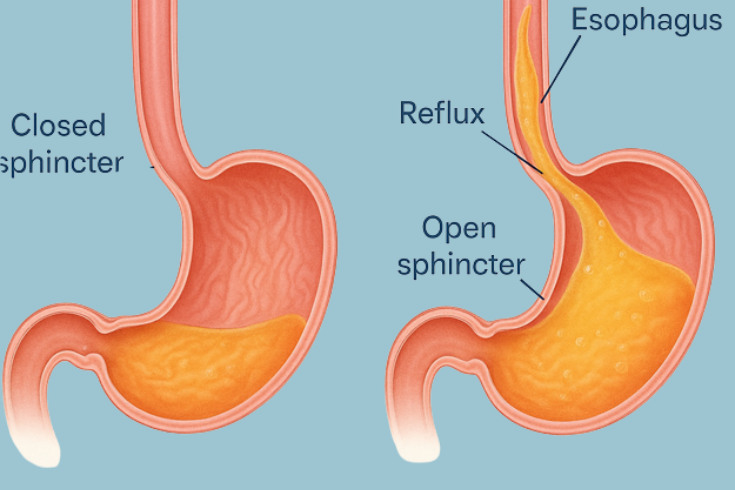
Who Needs Anti-reflux Surgery?
Surgery is typically recommended for individuals with
Chronic GERD symptoms that do not respond well to medical therapy
Complications such as esophagitis, Barrett’s esophagus, or hiatal hernia
Regurgitation causing aspiration or nighttime symptoms affecting quality of life
A desire to avoid lifelong dependence on medications
A thorough evaluation, including endoscopy, esophageal manometry, and 24-hour pH monitoring, helps confirm the diagnosis and suitability for surgery.
How is Anti-reflux Surgery Performed?
The procedure is usually performed laparoscopically using minimally invasive techniques. The surgeon makes several small incisions in the abdomen and inserts a laparoscope (a thin tube with a camera) along with specialized instruments.
The procedure is usually performed laparoscopically using minimally invasive techniques. The surgeon makes several small incisions in the abdomen and inserts a laparoscope (a thin tube with a camera) along with specialized instruments.
1
Any associated hiatal hernia is repaired by narrowing the opening in the diaphragm.
2
Mobilizing the upper part of the stomach (fundus) and wrapping it around the lower esophagus, typically in a 360-degree fashion (Nissen fundoplication)
This creates a new, effective valve mechanism that prevents acid and stomach contents from refluxing back while still allowing food to pass normally into the stomach. The laparoscopic approach results in less pain, minimal scarring, shorter hospital stay, and quicker recovery compared to traditional open surgery. Most patients are able to return to normal activities within a few weeks.
Benefits of Anti-reflux Surgery
Anti-reflux surgery offers durable relief from GERD symptoms for the majority of carefully selected patients. It effectively controls both acid and non-acid reflux, which medications may not fully address. Patients often report significant improvement in quality of life, better sleep, reduced need for medications, and lower risk of long-term complications such as esophageal damage or strictures. The minimally invasive nature of the procedure allows faster return to daily life with fewer post-operative issues.
Risks and Considerations
As with any surgical procedure, there are potential risks, including temporary difficulty in swallowing, bloating, or, in rare cases, recurrence of symptoms. These issues are usually mild and tend to resolve with time. Choosing an experienced gastrointestinal surgeon skilled in advanced laparoscopic techniques significantly reduces the likelihood of complications and ensures better outcomes.
Conclusion
Anti-reflux surgery is a safe and effective treatment option for individuals suffering from persistent GERD when medical management is insufficient. By reinforcing the natural anti-reflux barrier, it helps patients achieve lasting relief and enjoy an improved quality of life. A thorough pre-operative assessment and expert surgical care play a vital role in achieving optimal results through modern minimally invasive methods.