
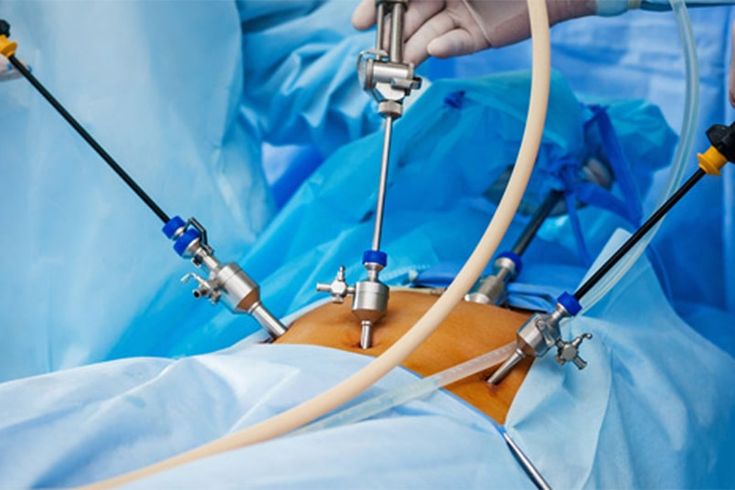
Laparoscopic surgery is a minimally invasive technique using small incisions and advanced instruments to treat abdominal conditions, offering reduced pain, faster recovery, minimal scarring, and quicker return to normal daily activities.
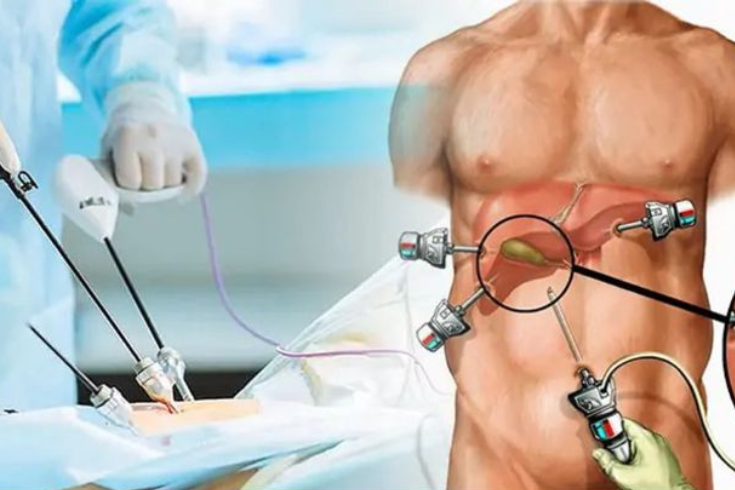
Gastrointestinal surgery focuses on treating disorders of the digestive system, including the stomach, intestines, liver, and pancreas, using advanced techniques to ensure effective treatment, improved digestion, and better overall patient health outcomes.
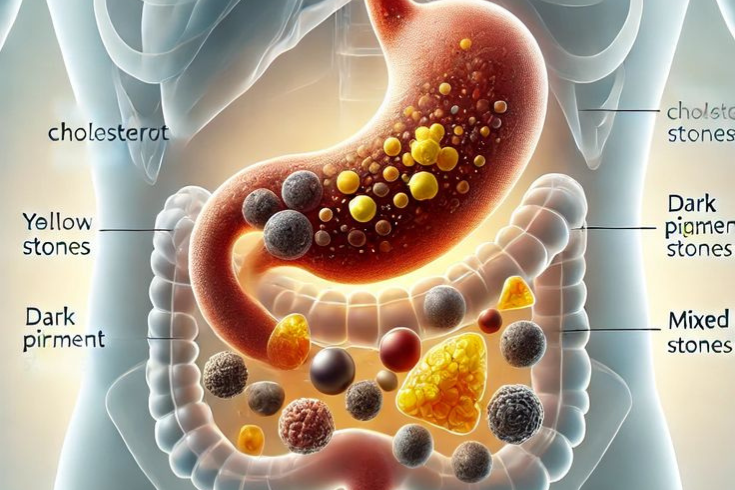
Gallstones are hardened deposits formed in the gallbladder that can cause pain, nausea, and digestive issues, often treated with medication or minimally invasive laparoscopic surgery for safe and effective relief.
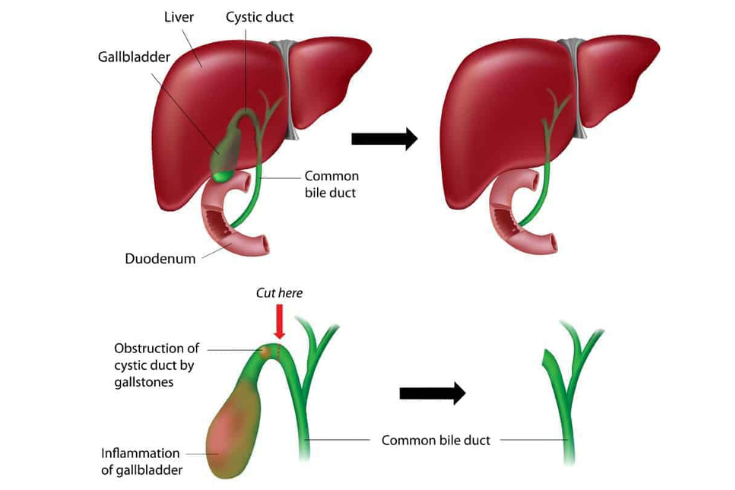
Cholecystectomy is the surgical removal of the gallbladder, typically performed to treat gallstones, cholecystitis, or biliary issues. It is usually done laparoscopically with fast recovery.
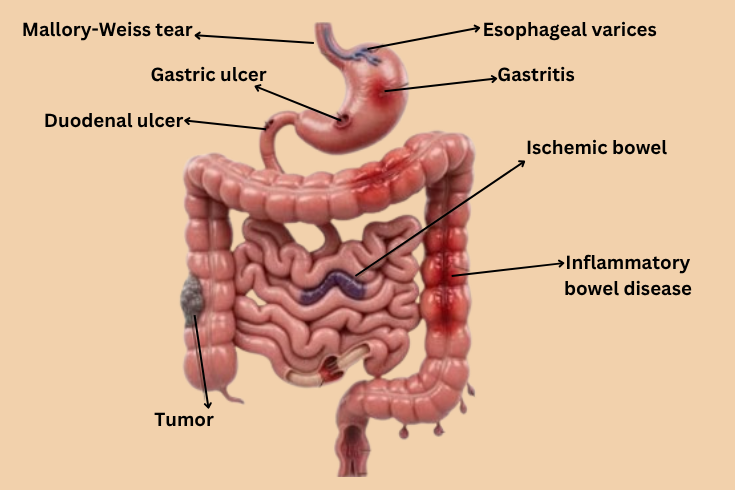
Gastrointestinal bleeding involves internal bleeding in the digestive tract, causing symptoms like vomiting blood or black stools, requiring urgent diagnosis and advanced endoscopic or surgical treatment for effective management.
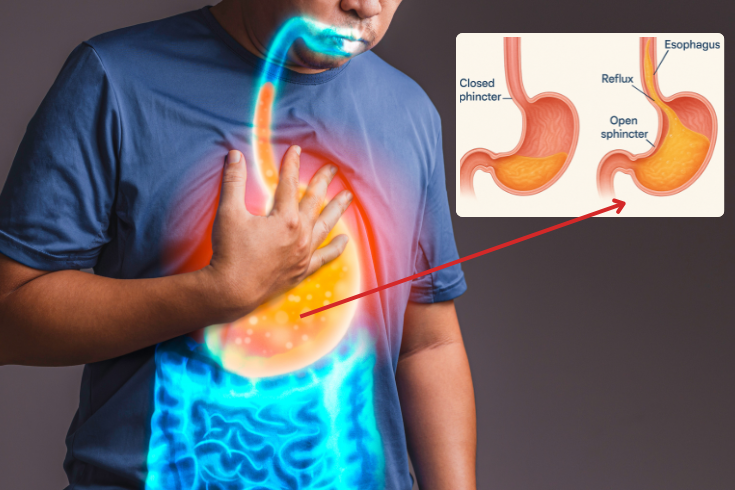
Anti-reflux surgery, or fundoplication, wraps the upper stomach around the lower esophagus to treat severe GERD. It prevents acid reflux effectively when medications fail. Laparoscopic approach offers quick recovery.
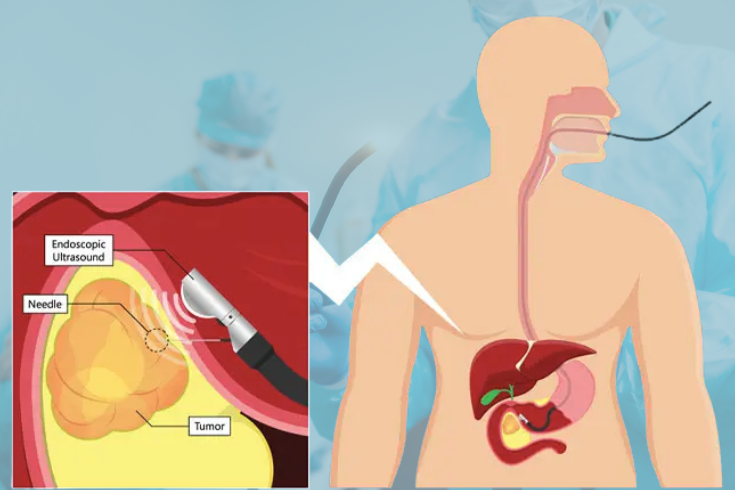
Endoscopic Ultrasound (EUS) combines endoscopy and ultrasound to examine the digestive tract and nearby organs. It detects tumors, stones, or inflammation and guides biopsies accurately with minimal invasion.
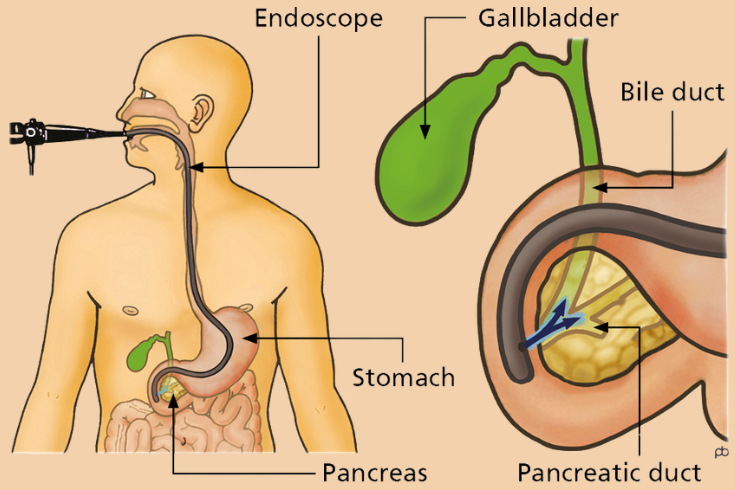
ERCP (Endoscopic Retrograde Cholangiopancreatography) is a procedure using endoscopy and X-rays to diagnose and treat bile duct or pancreatic duct problems like stones, strictures, or leaks.
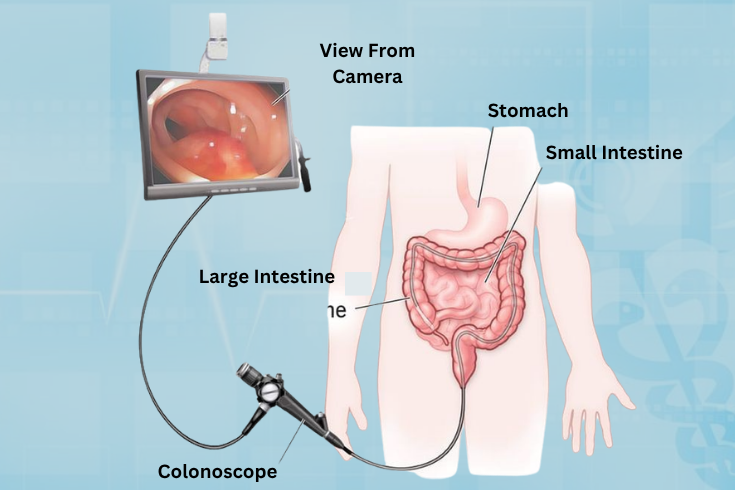
Colectomy is the surgical removal of part or all of the colon, performed for cancer, diverticulitis, IBD, or polyps. Often done laparoscopically, it restores bowel function with good recovery.
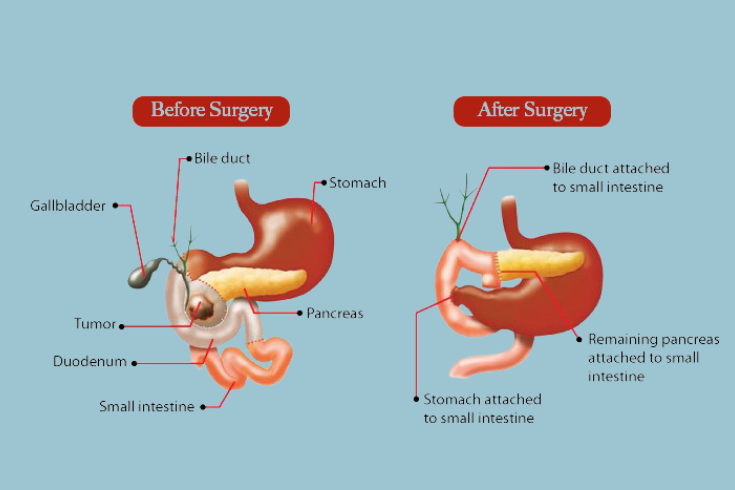
Pancreatobiliary surgery treats pancreas, bile duct and gallbladder disorders like tumors or stones using complex procedures such as Whipple operation.
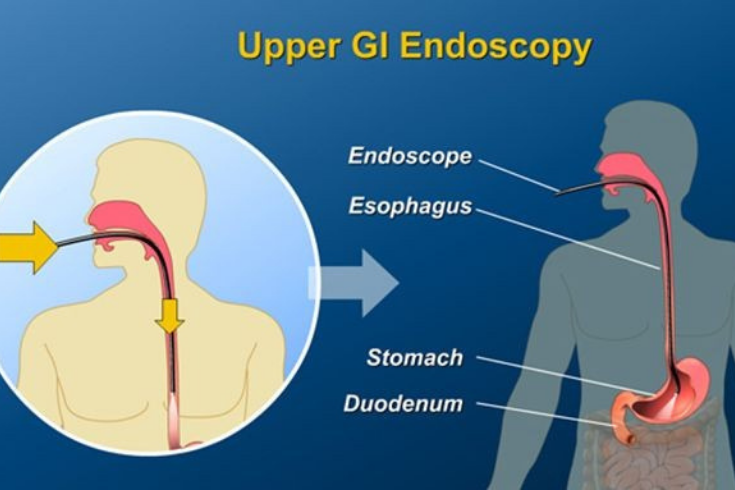
Upper GI Endoscopy (EGD) examines the esophagus, stomach, and duodenum using a flexible tube with camera. It diagnoses ulcers, reflux, bleeding, or cancer and allows biopsies.
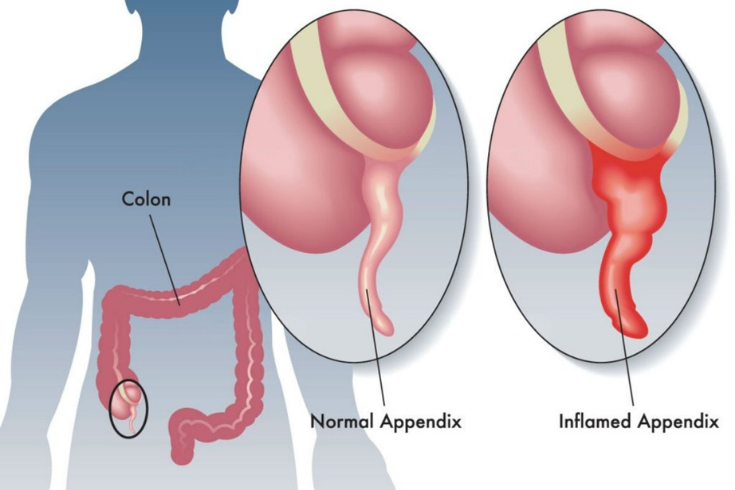
Appendectomy is the surgical removal of the appendix, usually for acute appendicitis. It is commonly performed laparoscopically with quick recovery and low complications.